

Scroll down
100 cities
Around one hundred Czech towns and municipalities use the Principles.
100 %
Transparency and the same rules for all investors.
1/4 of cities
More than a quarter of towns with over five thousand inhabitants use the Principles.
1000 M+
Municipalities receive hundreds of millions of Czech crowns through investor contributions.
1–2 %
The investor contribution amounts to roughly 1–2 % of the investor's total costs.
180 days
That is the average time from adopting the Principles to concluding the first planning agreement.
The stories of successful cities and investors show that the Principles of cooperation, and the planning agreements based on them, are a working tool that brings money into municipal budgets and secures high-quality development of public infrastructure as well as good relations between cities and developers.
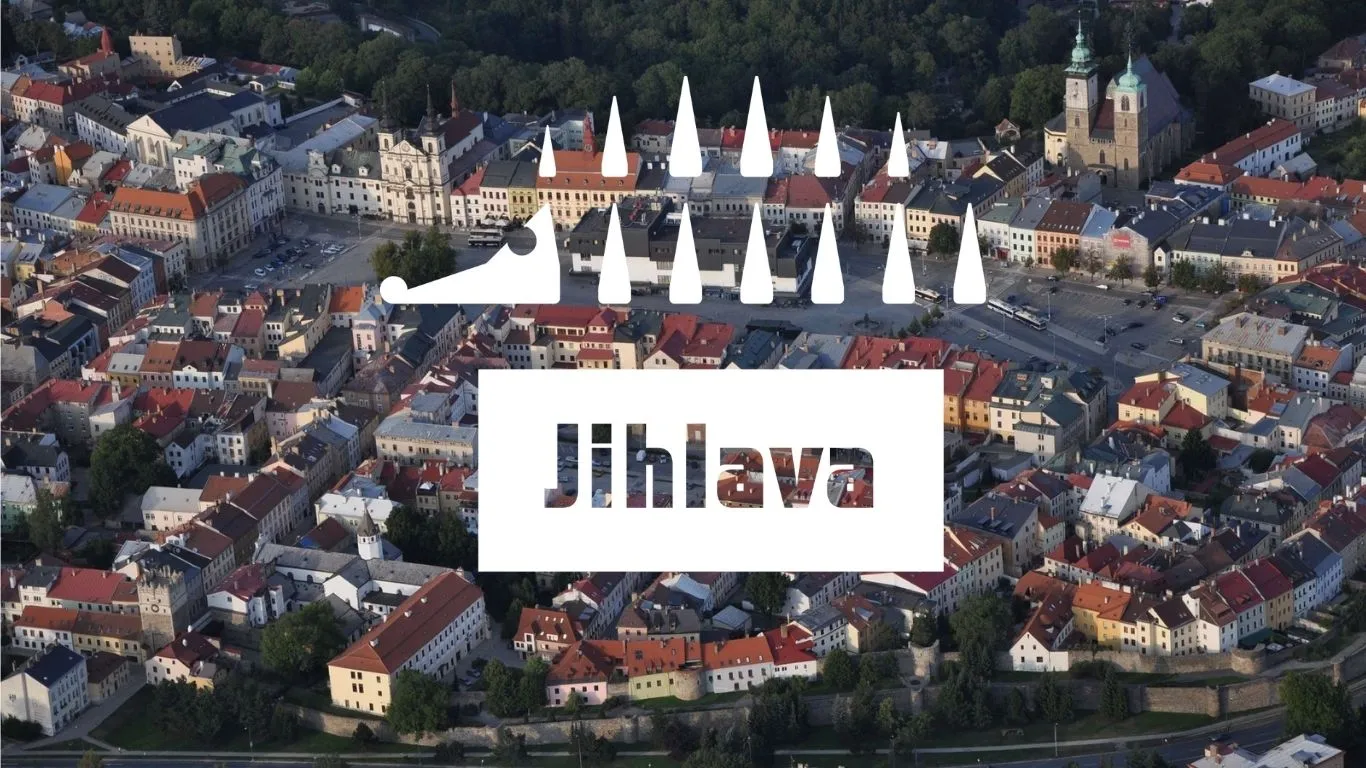
Jihlava was the first statutory city in the Czech Republic to approve Principles of Investor Cooperation. By 2025, Jihlava had signed 21 contracts. Total investor commitments reach CZK 60 million in cash and in-kind contributions. Investment performance rates range from 250 to 800 CZK/m².
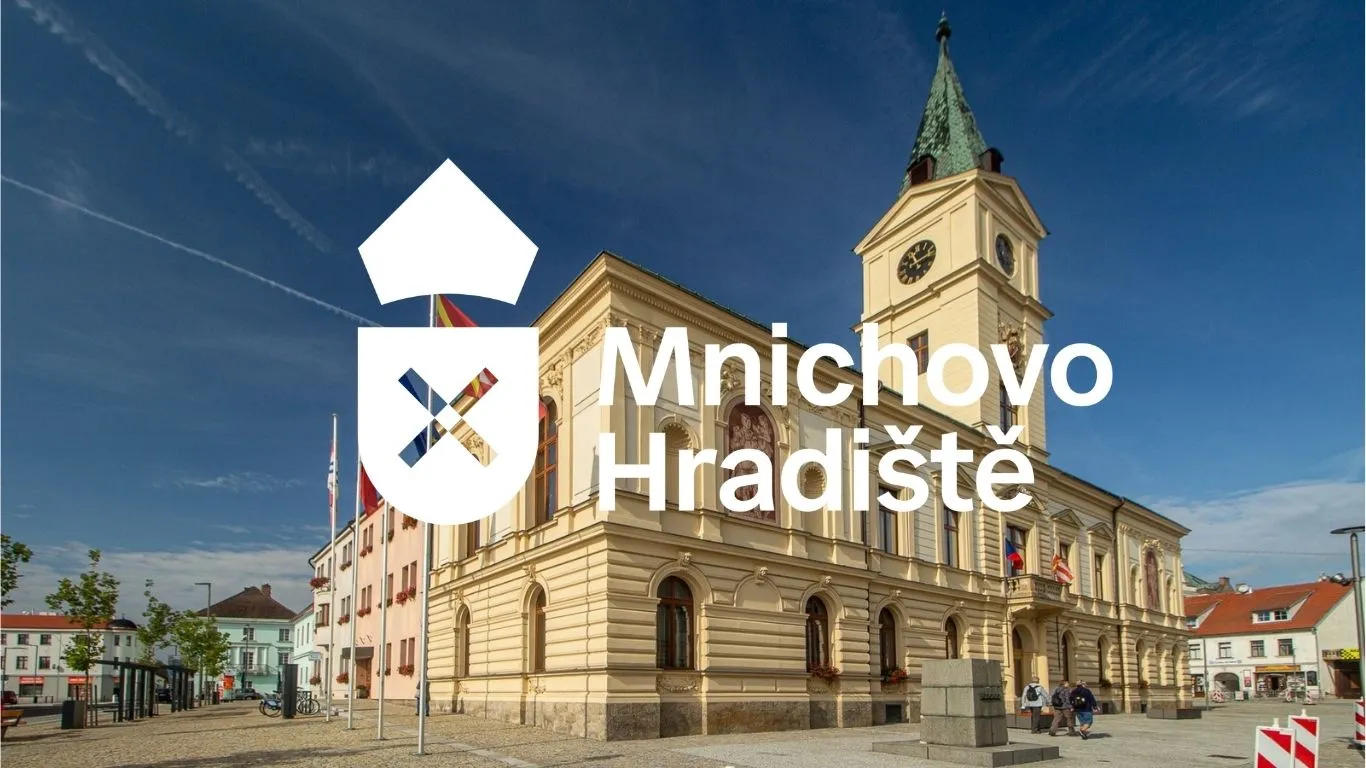
Experience showed that the Principles needed updating. The original Principles worked with rates of CZK 250–650 per sqm of built-up area. The new Principles set rates of CZK 500–1,000 per sqm (floor area for residential construction, built-up area for non-residential construction) and CZK 50–200 per sqm for a change to the zoning plan.
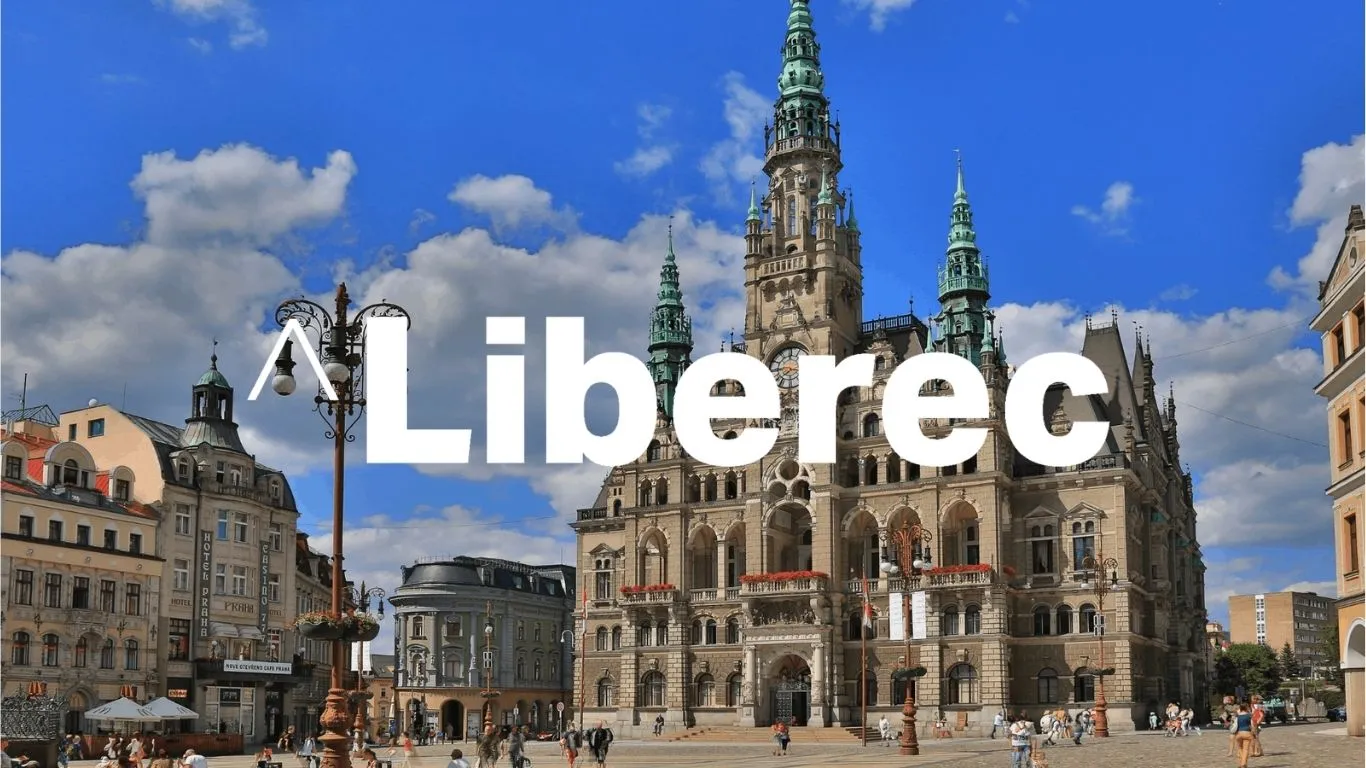
In Liberec the Principles apply to all areas of the city and take into account the municipal costs triggered by construction projects. Since 2025, Liberec has signed 30 contracts with a total value of 50 million CZK and has 90 investment projects in the pipeline. The standard rate for investment expenditure is 500 CZK per square metre of gross floor area. The average investment expenditure is 1.6 million CZK.
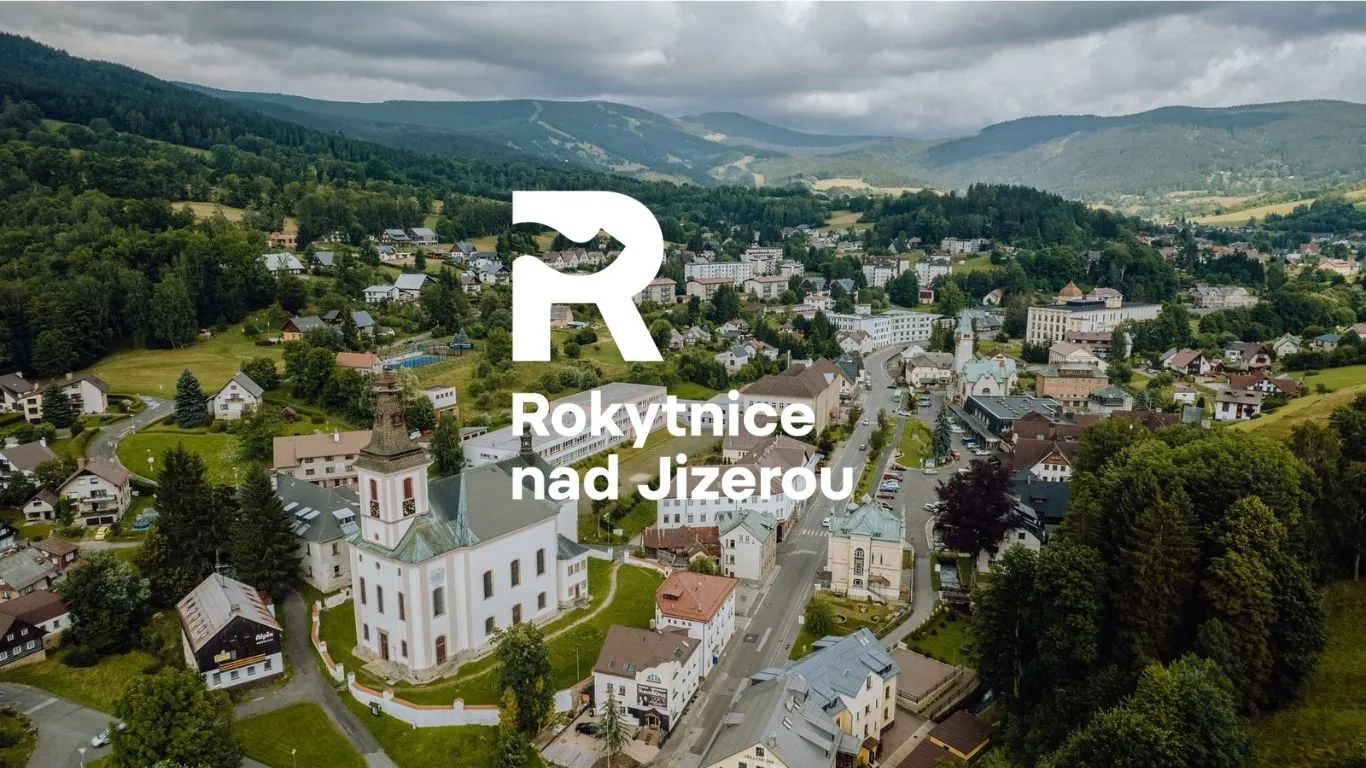
The aim of the Principles is to support sustainable development, protect the character of the town and encourage the construction of homes for permanent residence. By the end of 2025 the town had contracted contributions exceeding CZK 24 million. The municipal rate is 2,000 CZK per HPP for projects in built-up areas (renovations) and 3,500 CZK per HPP for new builds. Discounts based on the purpose of the building may reduce the amount to as little as 0 CZK.
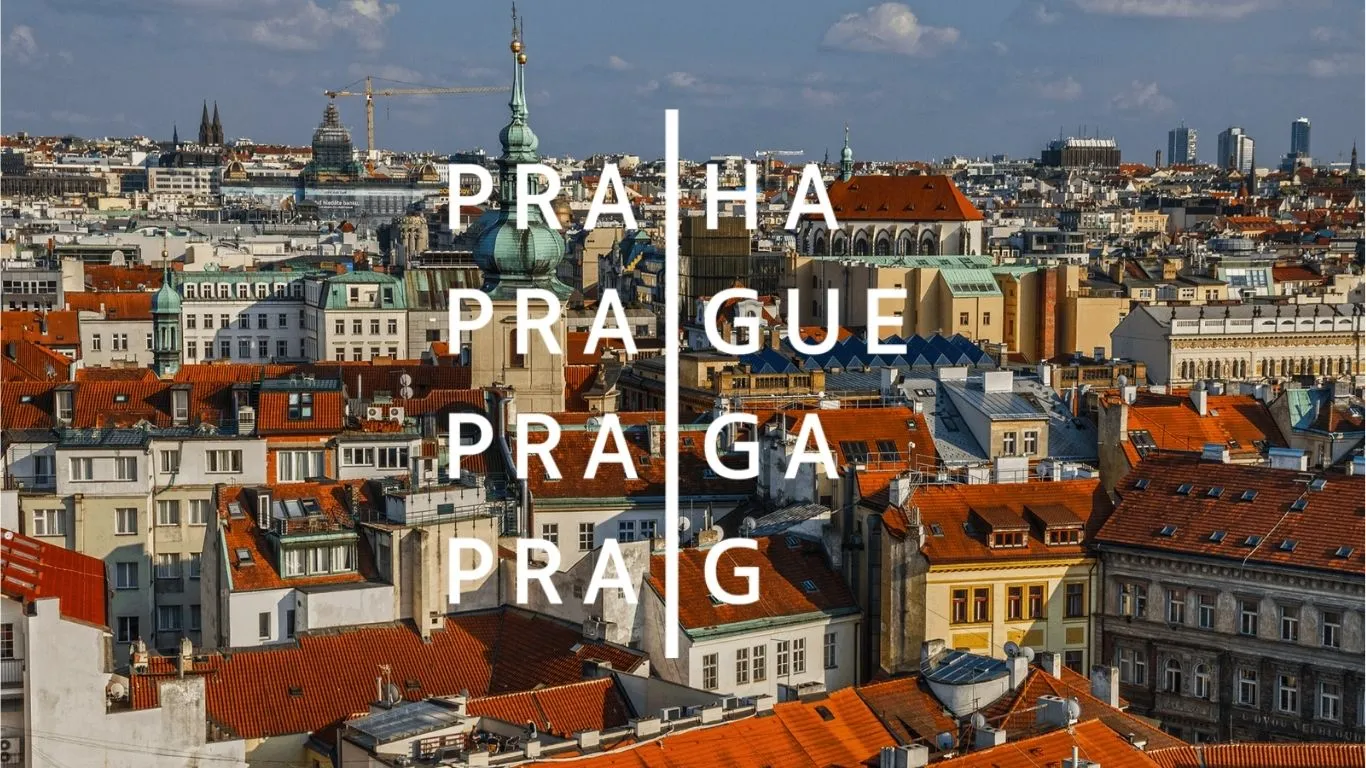
In the case of Rohan Island, the City of Prague and the Prague 8 district will receive a developer contribution of CZK 560 million, mainly for a new park and a new school. The transformation of the Žižkov freight railway station was confirmed by a series of planning agreements between the City of Prague, the Prague 3 district and five major investors. Investors’ contribution to the railway station site amounts to 1.4 billion CZK.
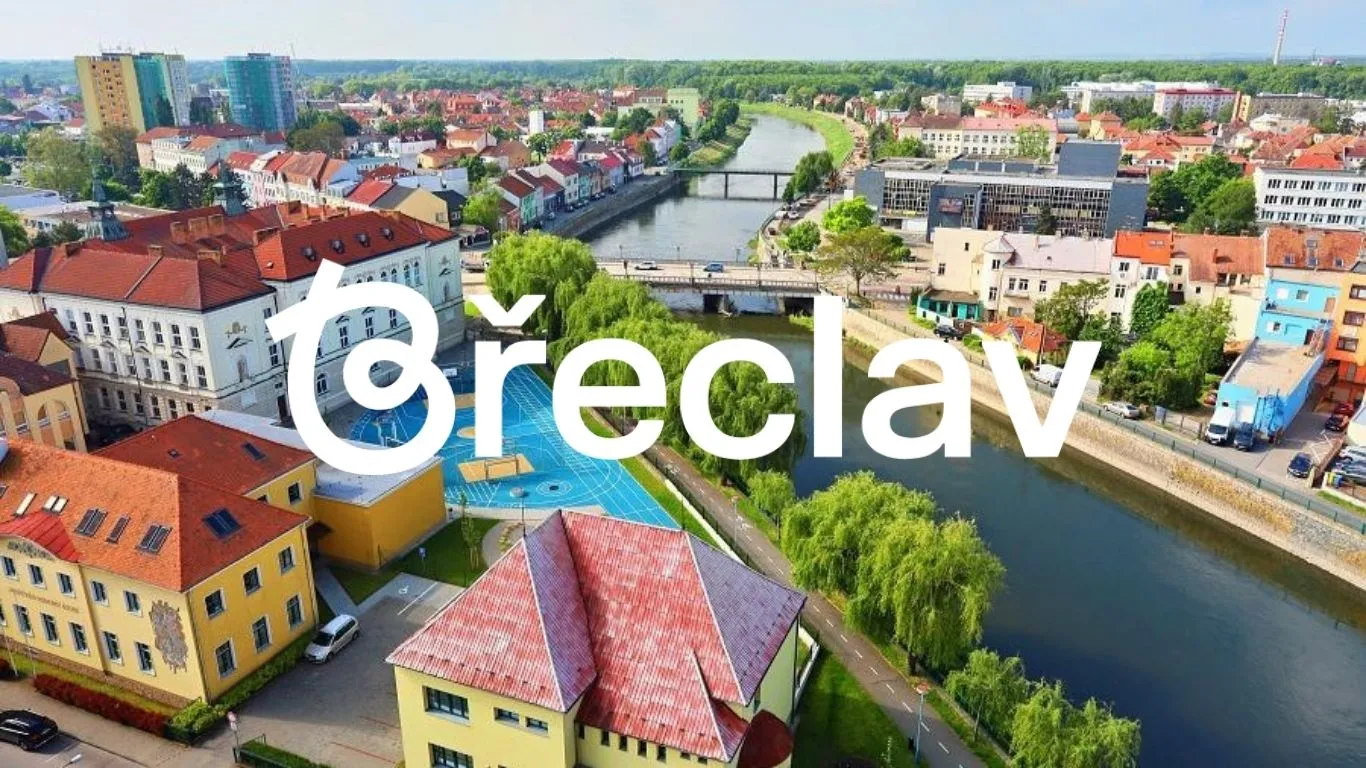
The construction principles have been in force here since 2020. The city's cooperation with investors delivers results that help solve specific problems in specific locations. For example, when a supermarket was built on a housing estate, the investor paid CZK 500,000 to compensate for the reduced number of parking spaces. The city used the money to landscape and green land in the area.
The aim of the investor cooperation principles is to address the shortfalls in public infrastructure and community facilities that arise as a result of new construction.
The principles make it possible to link spatial planning with incoming investment so that everyone feels the benefits, both existing residents and the investors themselves.

Developing Czech cities is not a one-sided matter. An investor needs the city's cooperation for smooth delivery, and the city needs a partnership with the developer.
Agreement, fair relations and transparent terms of cooperation - that is what planning agreements and investor cooperation principles deliver.
Planning agreements make it possible to set out transparently what a specific area needs.
The Principles form the framework for planning agreements under which the developer provides the city with a financial or in-kind contribution (a kindergarten, a park, transport infrastructure and so on). This refers to the developer’s contribution towards the costs incurred by the local authority in connection with the public infrastructure required as a result of the developer’s project.
Investment expenditure, which provides significant support to local authority budgets, represents an item amounting to 1–2 per cent of the total construction costs for investors.
A well-designed framework for cooperation with investors brings cities new housing, schools and kindergartens, larger parks and playgrounds, and better transport and energy infrastructure.

A fair contribution by investors towards the city’s costs, and expanded opportunities for investment by the city.

A tool for developing desirable locations and construction projects, securing funds for maintenance and civic amenities..

The city builds new parks, schools and amenities where they are needed and ensures they connect to the wider municipal ecosystem.

The principles encourage better architecture and green spaces.

New residential neighbourhoods are integrated into municipal infrastructure and the municipality has the funds to maintain them.

Supported housing can be created thanks to the coordination of the municipality with investors.









Co-operation with the local authority may help to ease residents’ opposition to the development; the city will provide the necessary supporting infrastructure

No suspicion of corruption, clear rules that are the same for everyone.

The new options offered by planning agreements unify the city's approach and simplify project approval.

Clearly defined processes and conditions, the ability to quantify performance and cooperation parameters at the beginning.
Planning agreements help to speed up the project preparation phase and save the developer time.

Investment contributions, which provide significant support to local authority budgets, represent a marginal cost to the investor in the context of the overall construction costs.








© Frank Bold 2026

